Jensen Huang's 11-Day Exit and Return as Nvidia CEO: What Happened and What It Means
Nvidia's founder resigned on November 12, 2026, and was reinstated by a unanimous board vote on November 23. Here's the confirmed timeline, what changed in Nvidia's governance, what's still under investigation, and why it matters to investors.
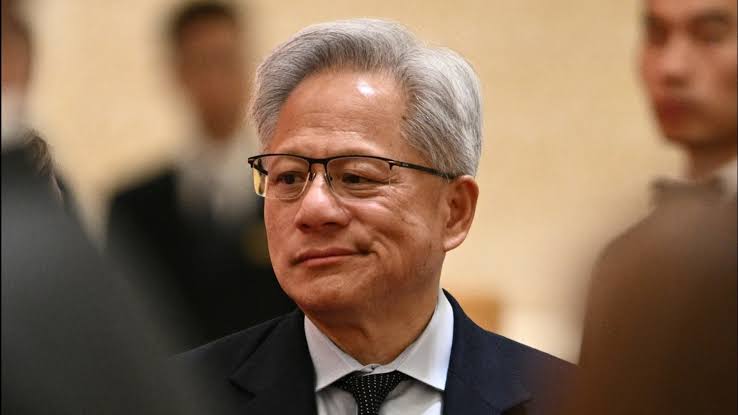
Key takeaways
- 01.Resigned Nov. 12, reinstated Nov. 23, 2026—CFO Colette Kress was interim CEO in between; the board vote to bring Huang back was unanimous.
- 02.The board cited government input—It said it received input from senior U.S. government officials and sees no national security risk.
- 03.An independent investigation continues—No findings have been published; Nvidia is also hiring its first Chief Compliance Officer.
- 04.A lesson in key-person risk—The stock's drop and rebound show how much of Nvidia's value investors tie to its founder.
In the space of eleven days, the chief executive of one of the world's most valuable companies resigned, was replaced, and was brought back. Here is what is confirmed, what is still only reported, and why it matters for anyone who owns Nvidia shares, directly or through an index fund.
This article reflects information available on November 24, 2026. The story is developing; we will update it as official findings emerge.
What happened, in order
November 12, 2026: the resignation. Nvidia announced that Jensen Huang "has resigned as President, Chief Executive Officer, and a member of the Board, effective immediately." Chief financial officer Colette Kress was named interim CEO while keeping her CFO role, and Harvey C. Jones became the company's "first-ever Chair of the Board." The board said it would search for a permanent CEO among internal and external candidates. The release gave no reason for the resignation and said nothing about any future role for Huang.
The background reported in the press. According to PCWorld's report on the resignation, a New York Times investigation published on November 8 reported that Huang had an extramarital relationship. PCWorld reported that Huang acknowledged the relationship and said he had been the target of a foreign intelligence effort. Coverage also raised questions about whether the matter had national security implications, given U.S. restrictions on exporting advanced Nvidia chips to China. Nvidia's board said it had "no reason to believe" that national security or company secrets had been compromised. Further claims have circulated that have not been confirmed, and we are not repeating them.
The market reaction. PCWorld reported that Nvidia shares, which had traded just under $207 at their high, fell to a little over $150 in pre-market trading after the resignation was announced.
November 23, 2026: the return. Eleven days later, Nvidia announced that its board had unanimously reinstated Huang as President, CEO and director, effective immediately. The board said that after "a series of discussions and meetings" it "was satisfied with respect to Mr. Huang's candor and ability to lead NVIDIA." It added that it had "received input from senior levels of the United States government" and was "confident that Mr. Huang's reinstatement poses no national security risk."
Board chair Harvey Jones said the board "believes Jensen is the right person to lead NVIDIA." Huang said he was "honored to return" and took the role "with the greatest humility and renewed commitment."
PCWorld reported that the stock jumped by more than 30% on the announcement. It also reported, citing a CNBC phone interview, that President Trump said he had spoken directly to Nvidia's board and "convinced them" to reinstate Huang. Nvidia's release does not mention this; it refers only to input from senior levels of the government.
What changed, and what's still open
The reinstatement didn't simply reset the clock. According to Nvidia's November 23 release:
- An independent investigation continues. The board formed a committee made up only of independent directors, which has hired independent counsel, to investigate reporting that Huang was targeted by a foreign intelligence effort. The release says the investigation "will proceed to conclusion," and that Huang supports it and will cooperate. No findings have been published.
- A new Chief Compliance Officer. Nvidia is creating the role, reporting to a board committee rather than to the CEO.
- A board committee for export controls. A National Security and Export Control Committee of independent directors oversees trade compliance and national security risks.
- A separate board chair. Harvey Jones remains chair, so the CEO and chair roles stay separate, a change from Nvidia's history.
- Outside inquiries. Nvidia says it will keep cooperating with government investigations and inquiries. PCWorld reported that Congress is also looking into the matter.
Why it matters
Key-person risk is real, even at a giant
Huang co-founded Nvidia in 1993 and is the longest-serving CEO in Silicon Valley. In January 2026, Bloomberg reported that Nvidia lacked a clear successor. Few companies are so closely identified with one leader, and the sharp fall in the stock on his exit, and the rebound on his return, show how much of Nvidia's value investors attach to him personally.
For investors, the episode is a reminder to ask: what happens to a company if its founder leaves suddenly? Is there a succession plan, and a deep bench of executives? Nvidia's board now has a reason to make that plan more visible.
Governance got stronger, on paper
A first-ever independent chair, a compliance chief reporting to the board, and an export-control committee are the kinds of structures governance specialists look for. Whether they make a difference depends on how they work in practice, and on what the investigation finds.
Export controls are a business issue, not just politics
Nvidia's own annual report already lists U.S. export restrictions on China as a major risk. In fiscal 2026 the company took a $4.5 billion charge after a licence requirement hit its China-specific H20 chip. Anything that draws regulators' attention to how Nvidia chips reach restricted markets can have financial consequences, which is why the board's national security language mattered so much to the market.
Board independence will keep being debated
The board's statement that it received input from the U.S. government, and the president's public claim to have persuaded the board, will continue to be discussed by governance experts and investors. Corporate boards are supposed to act for all shareholders; how much weight outside pressure should carry is a fair question to keep asking.
We've seen CEO comebacks before
- Steve Jobs was pushed out of Apple in 1985 and returned in 1997, a comeback that took twelve years rather than eleven days.
- Sam Altman was fired by OpenAI's board in November 2023 and reinstated within days, after most of the company's employees threatened to leave. That episode also ended with a reshaped board.
The common thread: when a company's value is tightly tied to one person, boards find it very hard to remove that person, and governance tends to change afterwards.
What to watch next
- The independent committee's findings, and whether they're published.
- The new Chief Compliance Officer appointment.
- Any outcome from government or congressional inquiries.
- Whether Nvidia names a clearer succession plan.
- The business itself. Data center demand, export rules and customer spending drive Nvidia's results far more than any single news cycle. Our explainer on why Nvidia became the center of the AI boom covers those drivers.
This article is general information, not investment advice. Statements about the resignation and reinstatement come from Nvidia's official releases; other details are attributed to the outlets that reported them. Allegations reported in the media have not been independently confirmed by DailyInfo.
Sources
- NVIDIA: NVIDIA Announces CEO Transition (Nov. 12, 2026)
- NVIDIA: NVIDIA Board Reinstates Jensen Huang as President, CEO and Board Director (Nov. 23, 2026)
- PCWorld: Nvidia CEO Jensen Huang resigns in the wake of multiple controversies (Nov. 12, 2026)
- PCWorld: Jensen Huang is back as Nvidia CEO two weeks after resigning (Nov. 23, 2026)
- Bloomberg: Nvidia Lacks Clear Successor for Superstar CEO Who Built Company (Jan. 27, 2026)
- NVIDIA Form 10-K for fiscal year 2026, SEC EDGAR
Not advice: this article is general information, not personal financial, tax or legal advice. Rules change and depend on your circumstances, so check with a qualified professional before acting.
Spotted an error? Email corrections@dailyinfo.tech. See our editorial standards.